
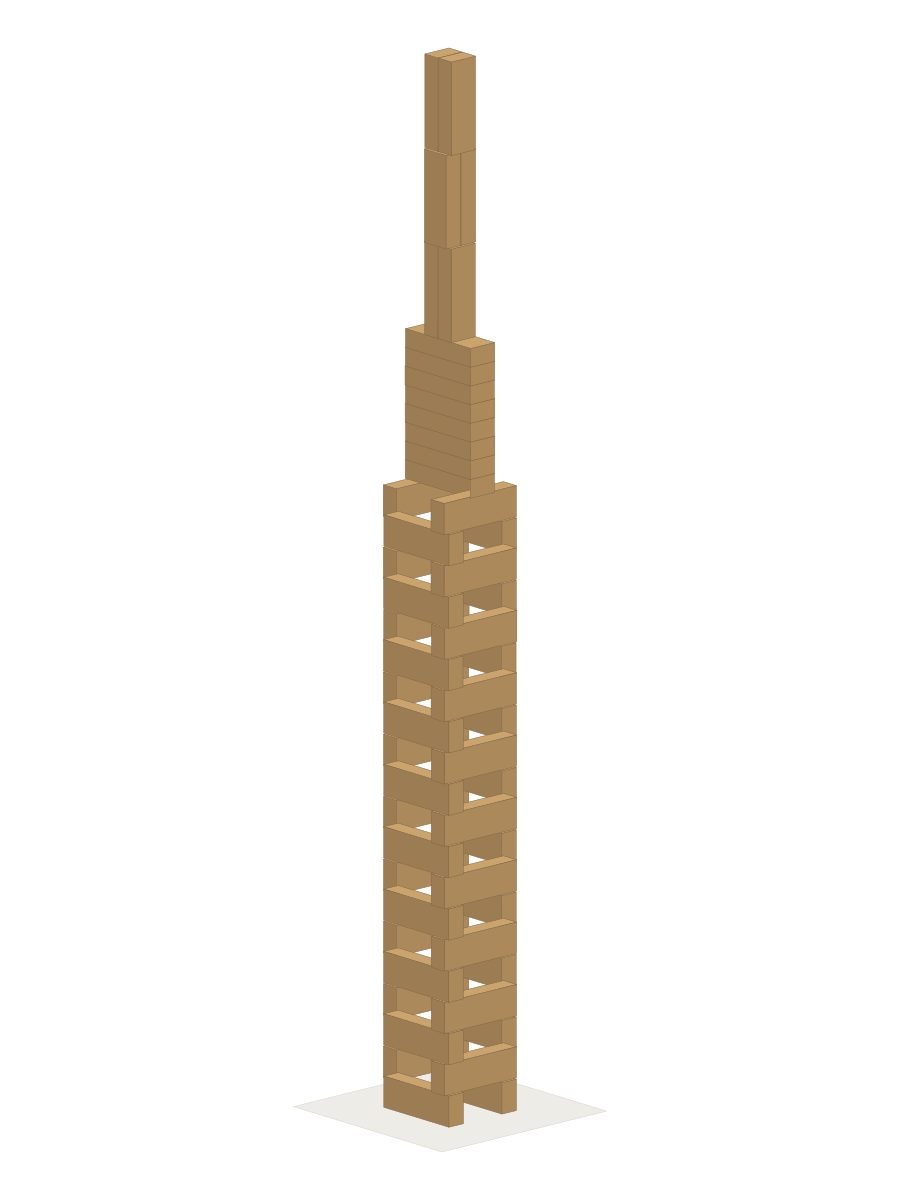
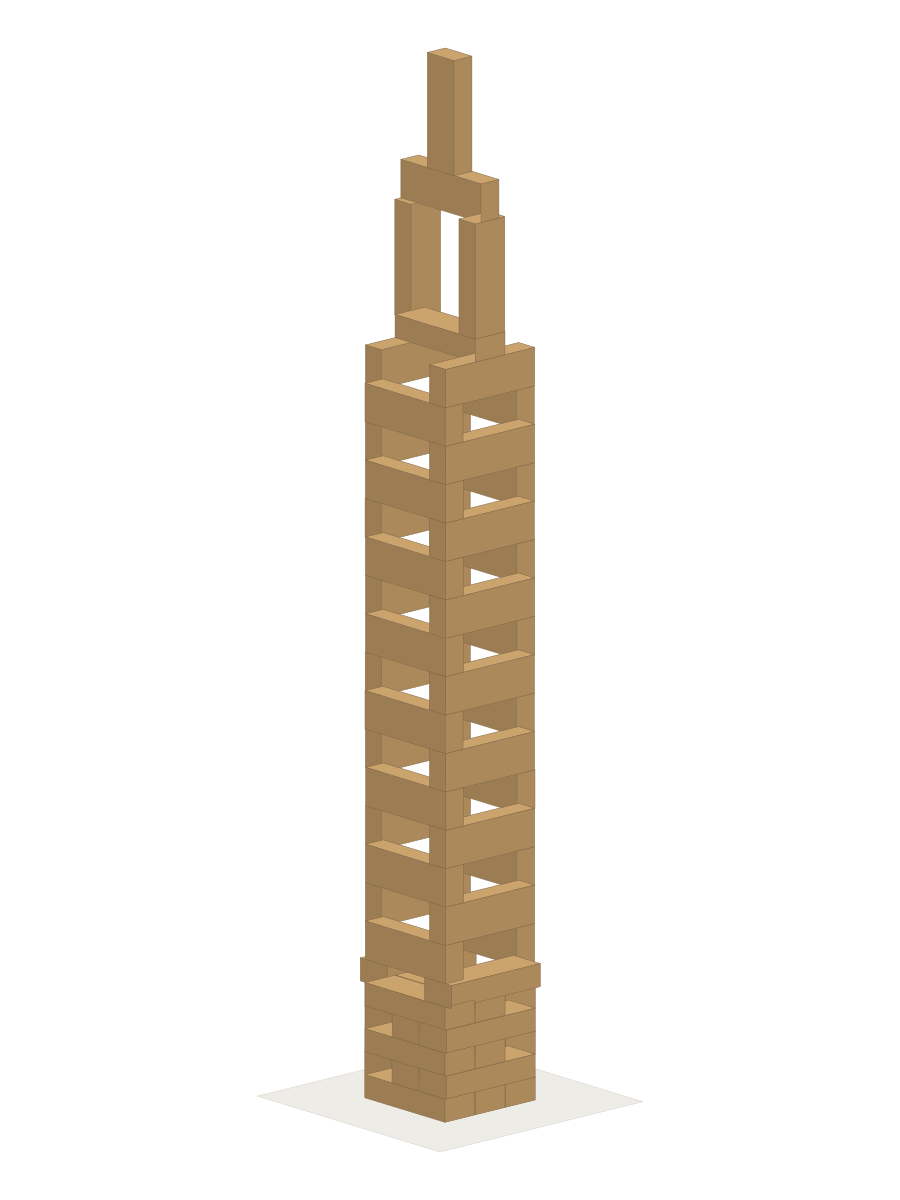
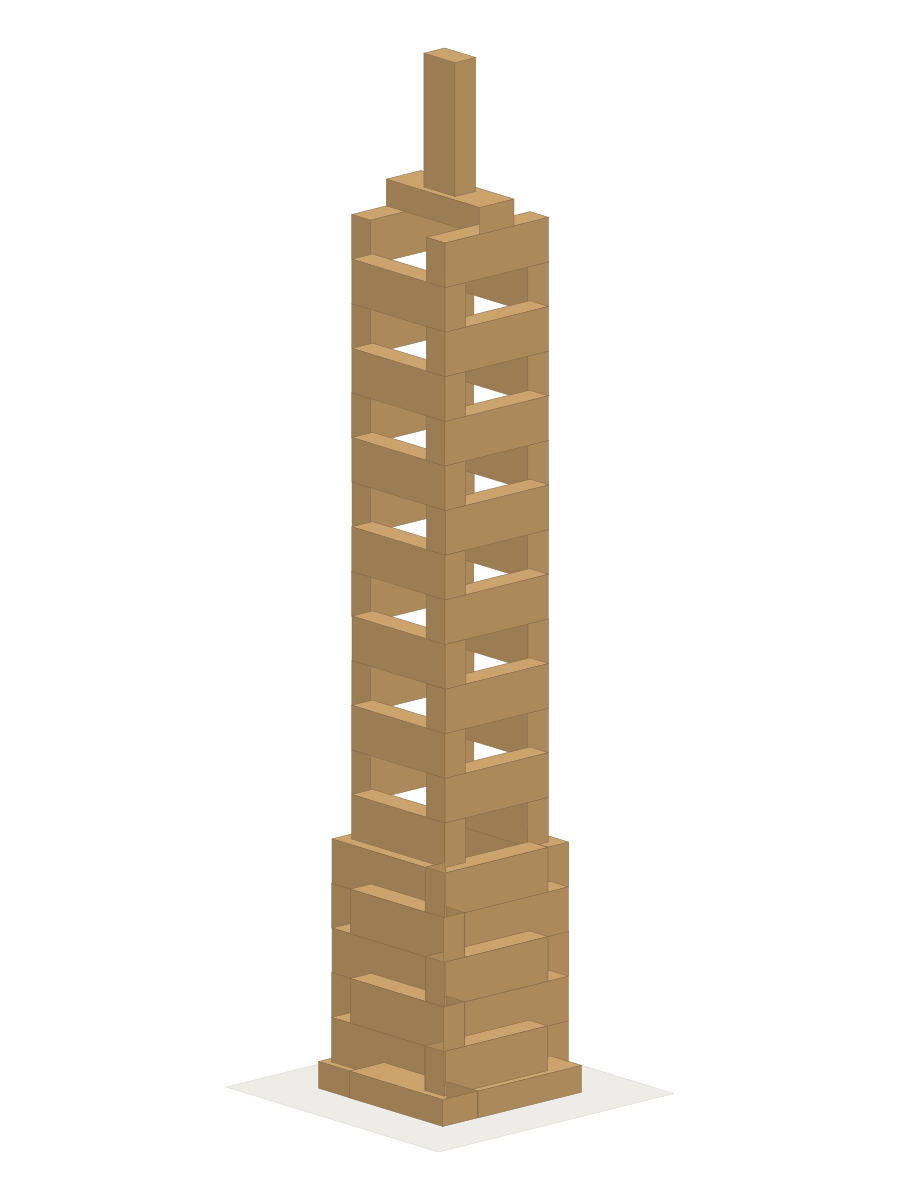
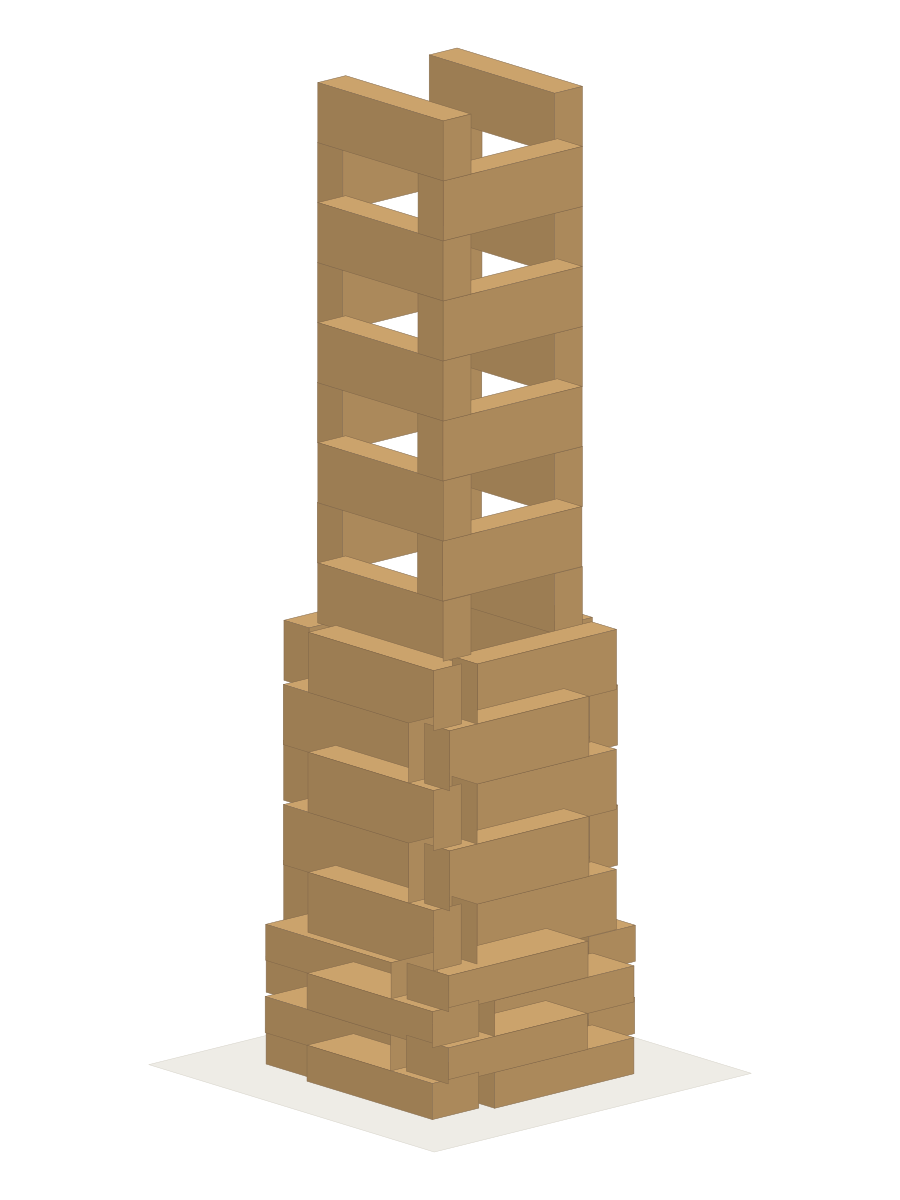
I’ve been building stuff with my daughter out of Jenga blocks and Magna-Tiles lately. One of my favorite things to do (though my daughter doesn’t really care for it yet) is to see how tall I can build a tower with a limited number of blocks.
On a perfectly flat floor, the answer for a standard box of 54 blocks is easy. Stand every block on end, one on top of the other, and you get a 4.05m tower. But that tower is only 1.5cm thick, so it falls over if the floor tilts by 0.21° (and realistically, you’d never be able to build it in the first place).
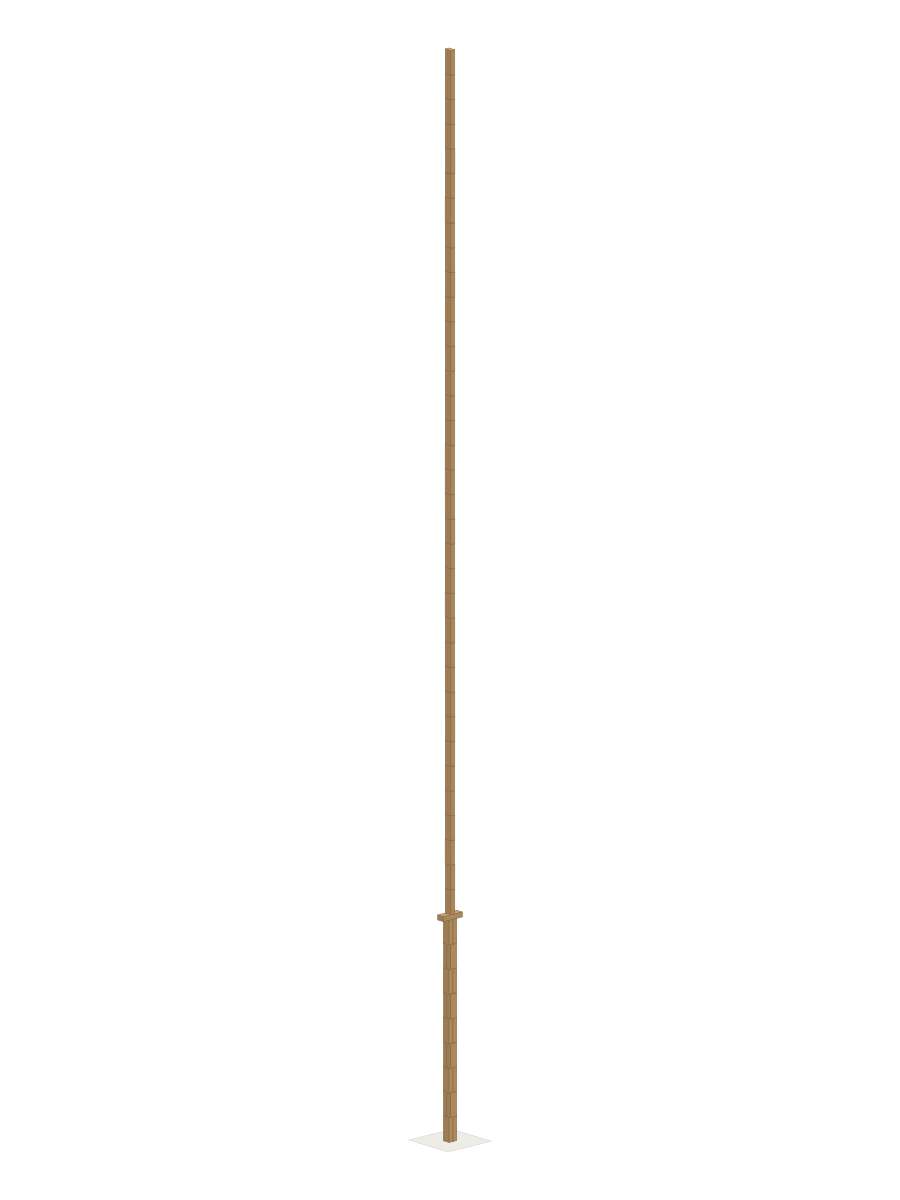
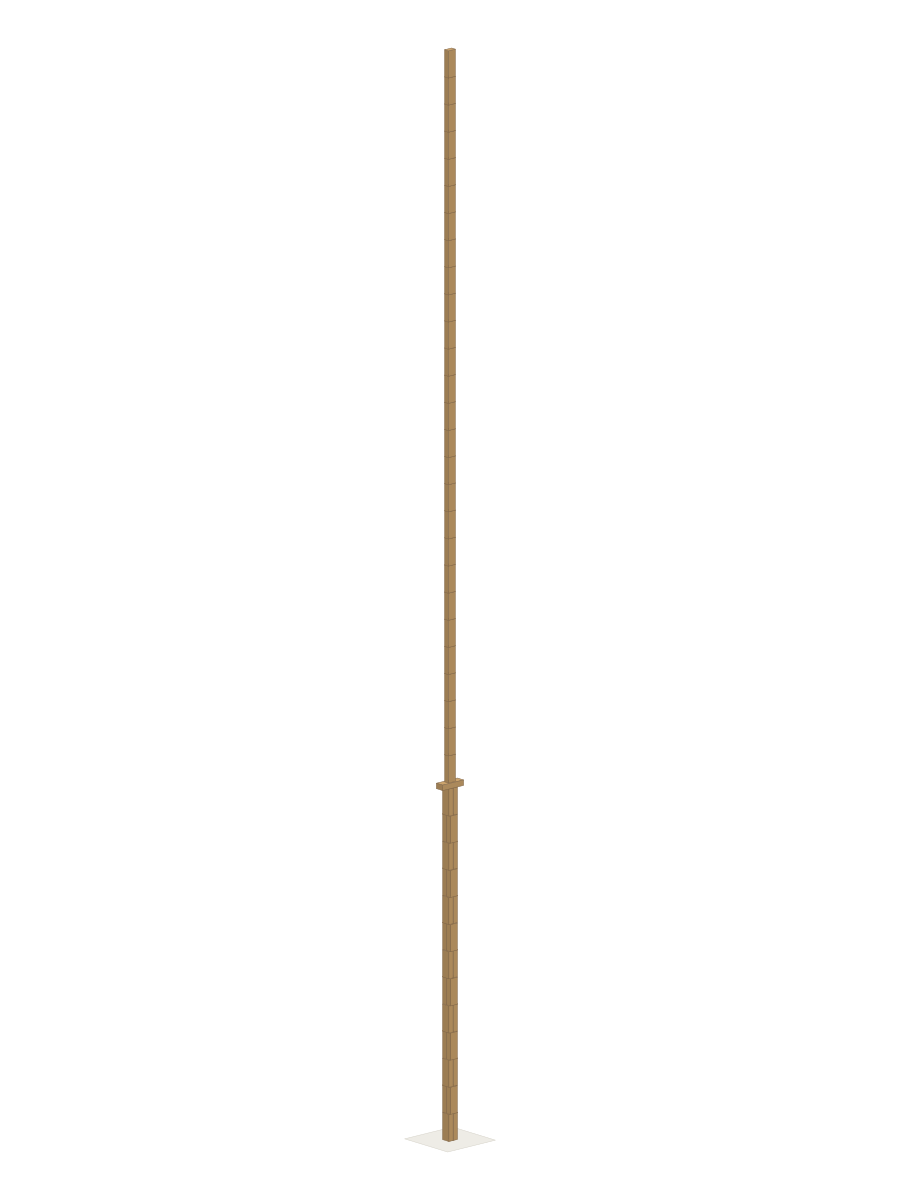
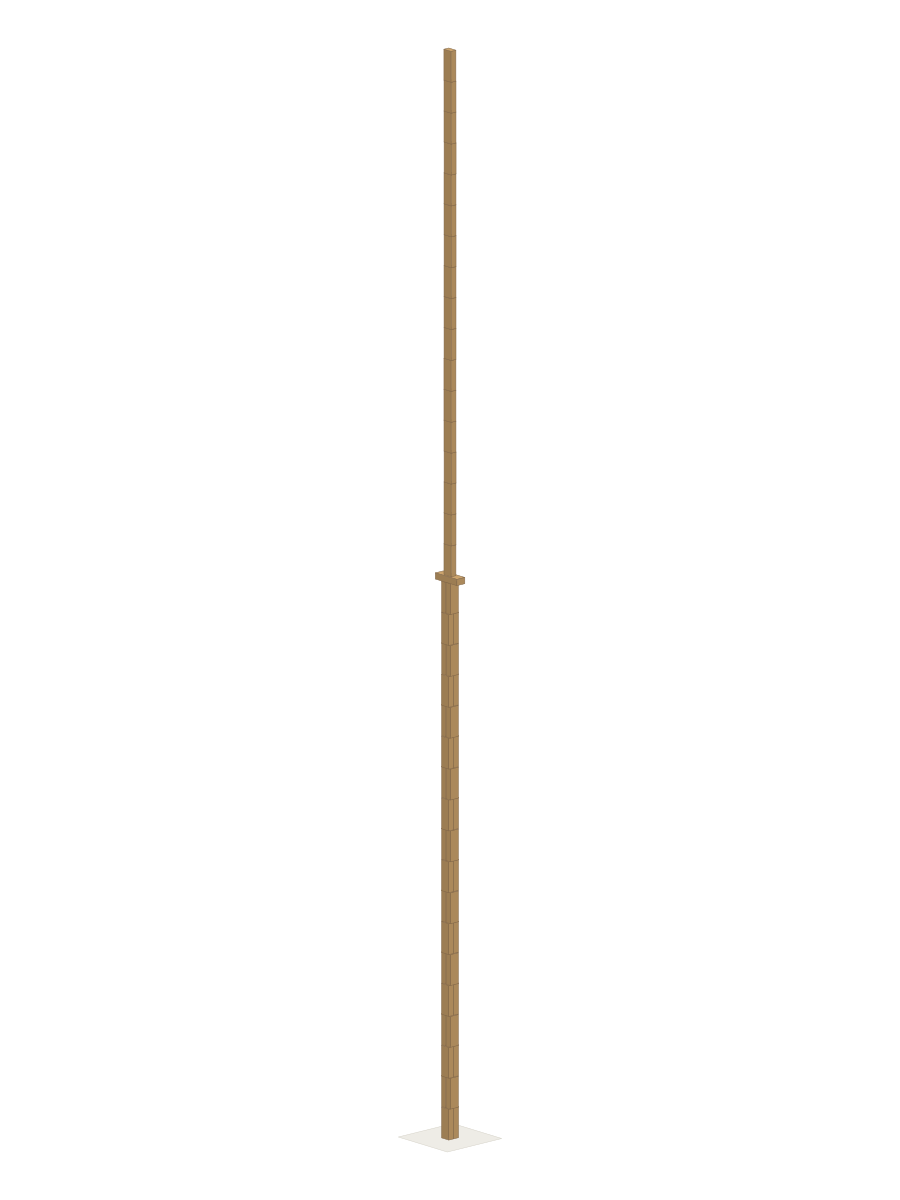
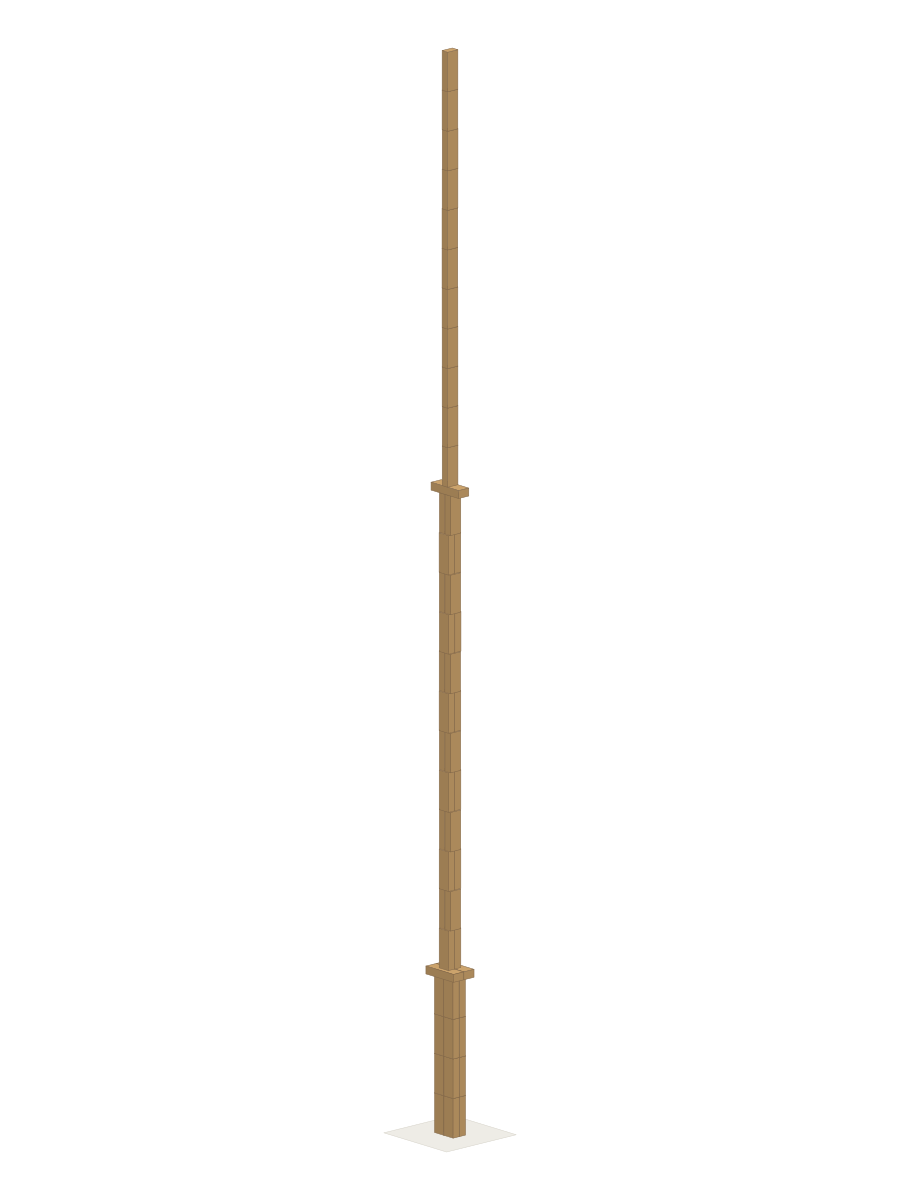
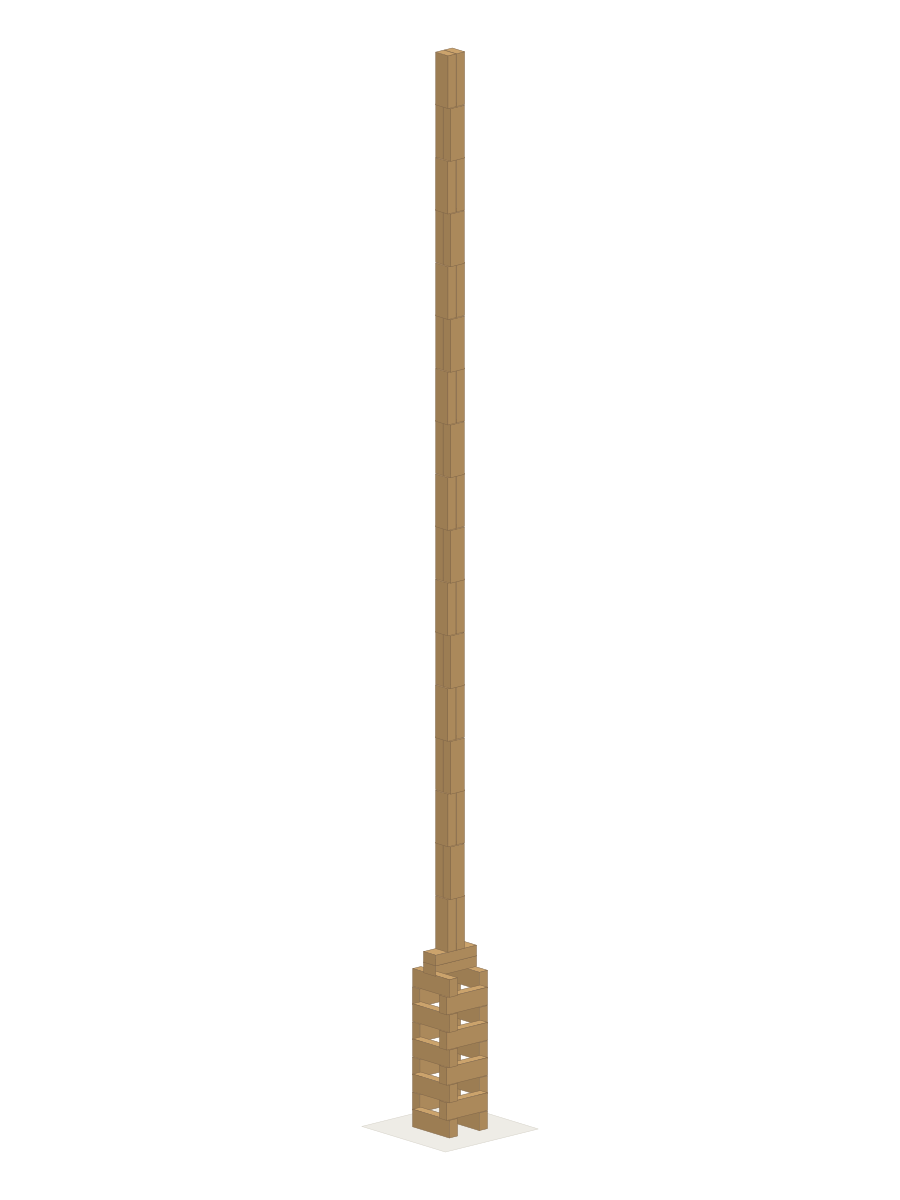
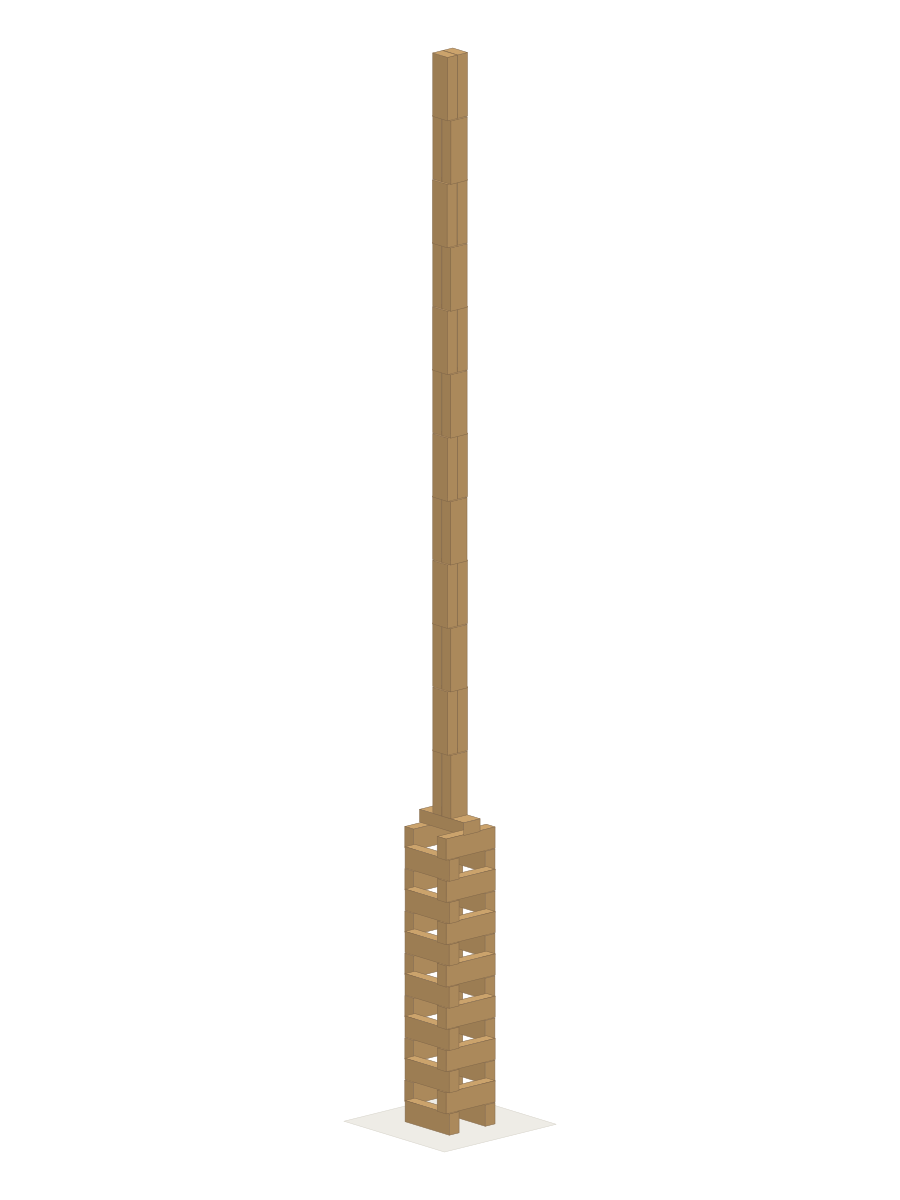
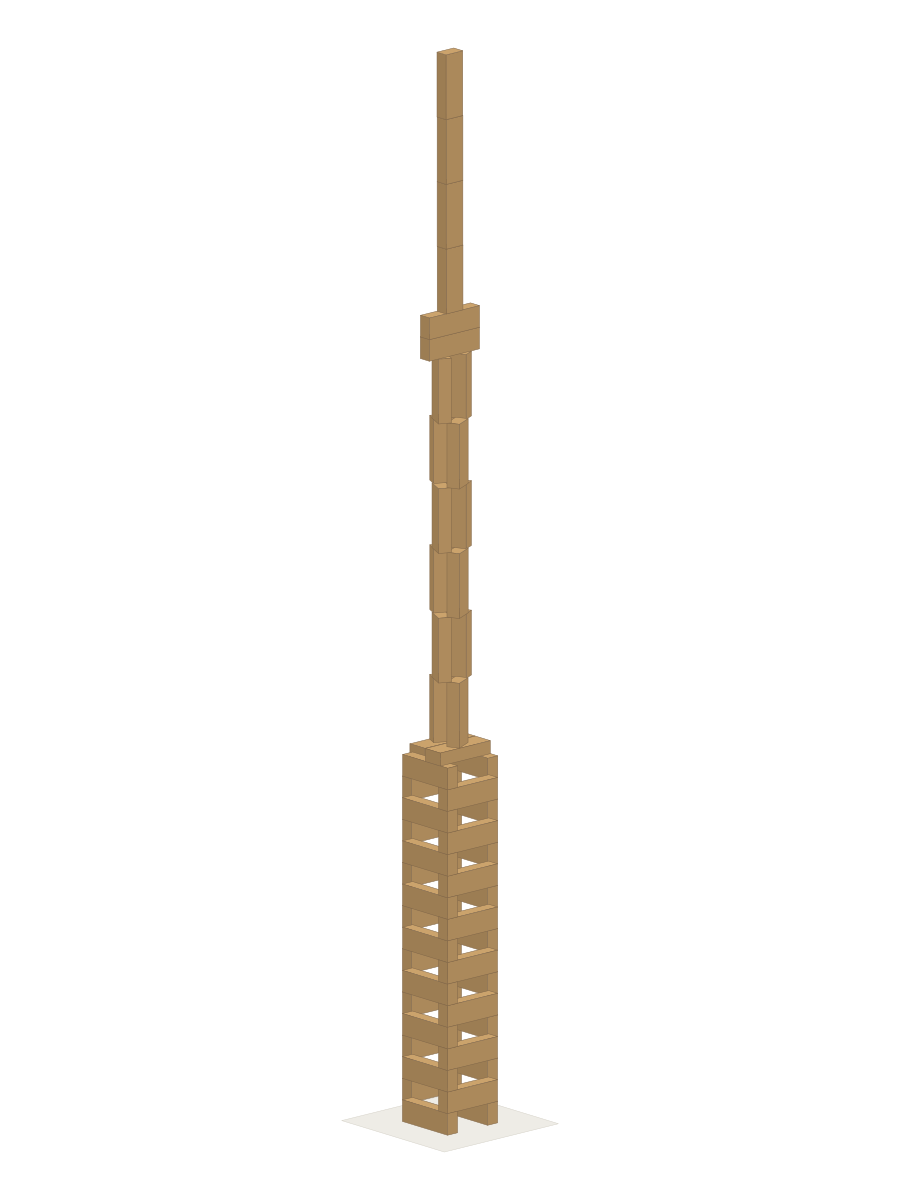
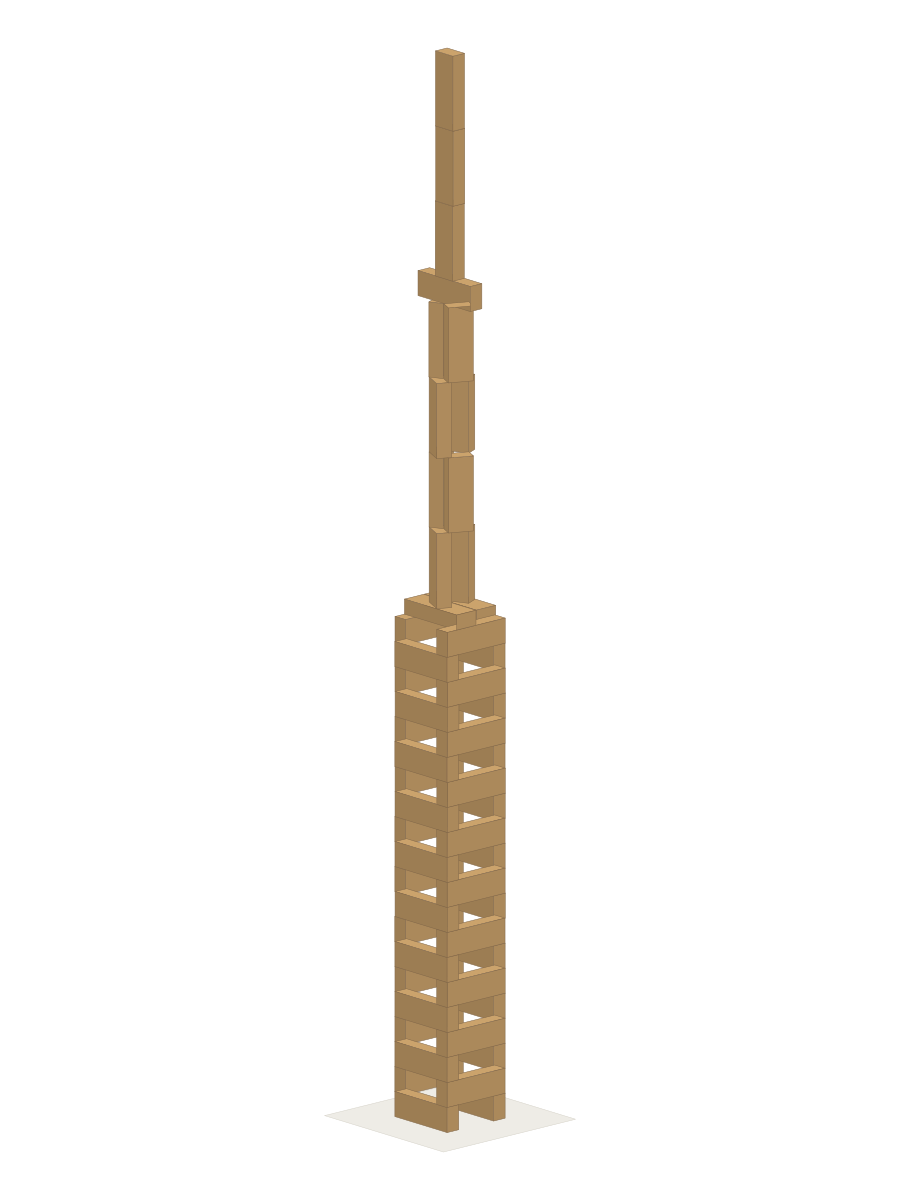
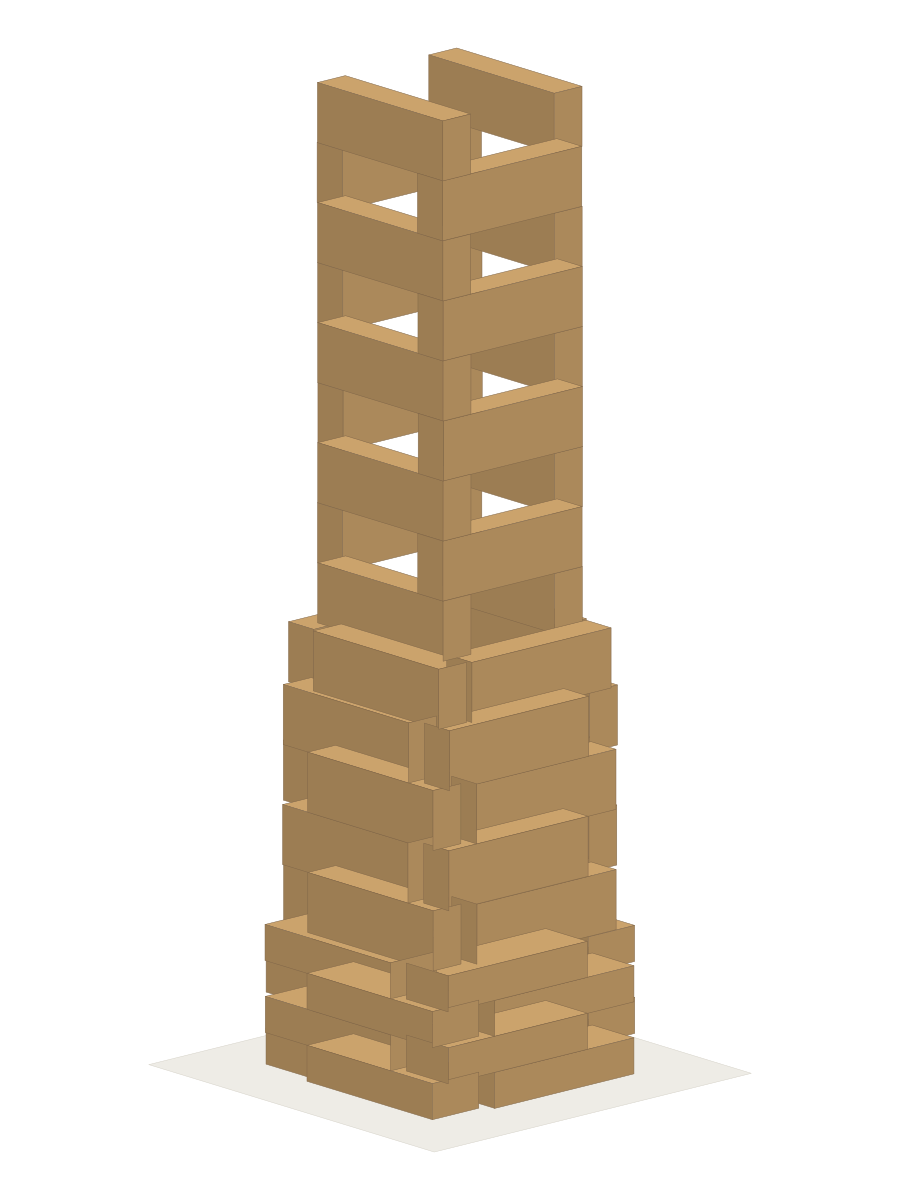
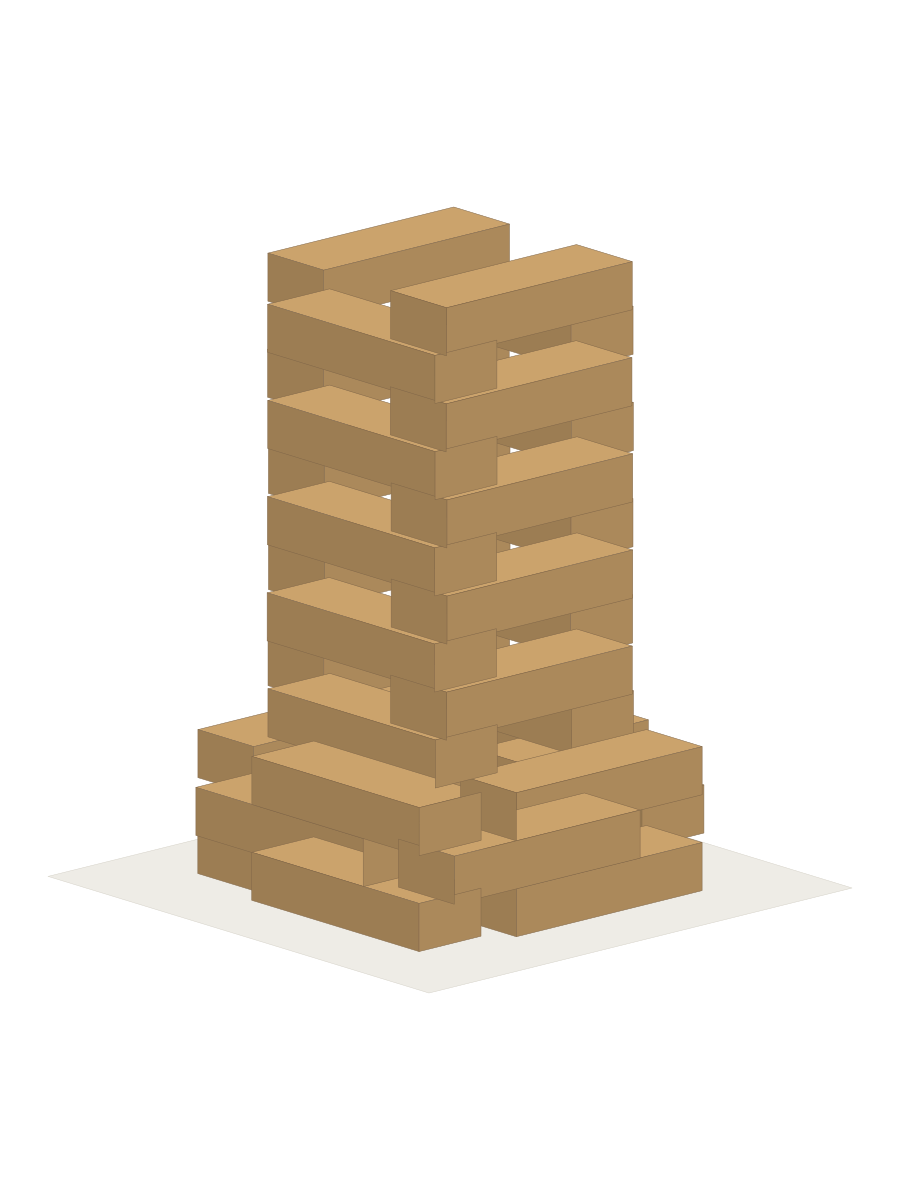
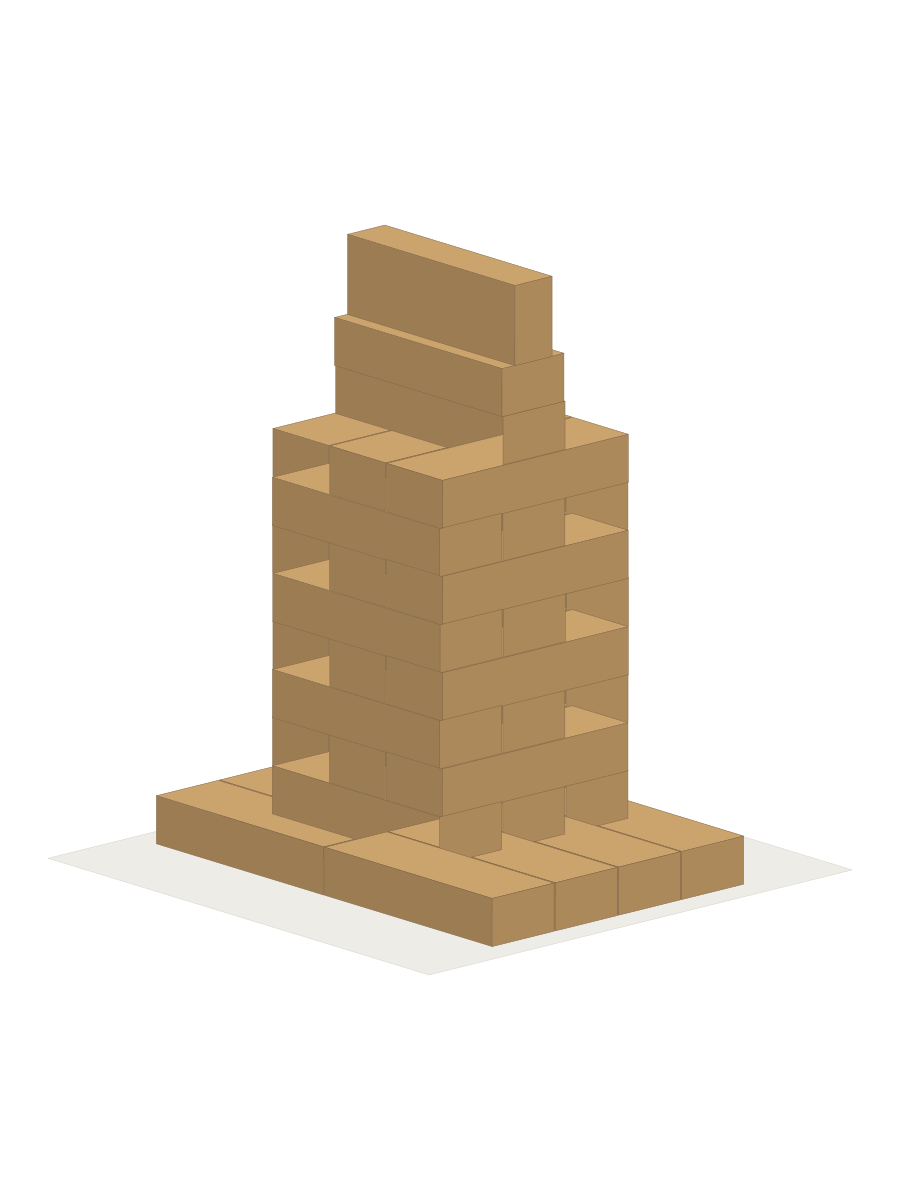
So I had Codex and Claude Code search for the tallest tower that could survive different amounts of floor tilt, from 0.1° up to 25°. Here’s what the search looked like across all 15 tilts (each panel is one tilt, and the tower grows as the search finds better designs):
Rules of thumb
After looking through all the winners, a few patterns stood out. I think most of these apply to real towers too (though I’m still testing that).
1. Stand blocks up until you can’t
The first rule is very intuitive! Try standing blocks vertically as much as possible until it’s too unstable to do so.
An upright block adds 7.5cm of height, a block on its edge adds 2.5cm, and a flat block adds 1.5cm. So the tallest towers stand up as many blocks as they can. As the floor tilts more (and more stability is required), they trade upright blocks for ones on edge, and then for flat ones.
2. Put about 40% of your blocks in the bottom quarter
If you spread 54 blocks evenly up a tower, each quarter of its height would get 13 of them, but the winners generally put 20 to 24 blocks in the bottom quarter, while the top quarter usually gets just 4 to 11.
Every joint in the tower holds up everything above it, so the base needs the widest footprint while joints higher up can be narrower. That’s why the winners taper, from two or more blocks side by side near the bottom down to a single block at the top. Keeping blocks low also keeps the center of mass a little over a third of the way up (instead of halfway), which gives the whole tower more room before it tips.
That said, the base only has to be just wide enough and you have to be careful not to overdo the base. The 331.5cm tower at 0.1° stands on just two upright blocks side by side, and even up to 7.5° we see every winner’s base fitting within about one block length on each side. The intuition is that any block you spend making the base wider is height that you’re trading off from the top.
3. The last few blocks matter most
At low tilts, most of a tower’s height comes from a single column of blocks at the top. At 0.1°, the top 264cm of the 331.5cm tower is a single column that is one block wide (35 uprights and one flat block). That column gets shorter as the floor tilts (204cm at 0.25°, 129cm at 0.5°, 84cm at 0.75°).
Even when the column is short, the top is still where height is cheapest. For example, at 2° the two best towers we found both use all 54 blocks and look almost identical, but one is 116.5cm and the other is 124cm. The taller one takes one pair of side-by-side uprights and stacks those two blocks end to end at the top instead.

4. Be careful with your skinniest part
You can’t keep adding single blocks to your tower forever. Four single uprights stacked on top of each other are 30cm tall and only 1.5cm thick, but tips over by itself at 2.86° no matter what’s underneath it. That’s why the best 3° tower only puts three single uprights on top. More generally, the winners make their skinny tops only a little sturdier than they need to be (e.g. even treated as one solid piece, the top column on the 0.75° tower would tip over by itself at about 1°).
Separate posts have the same problem. A lone upright block tips over at 11.3° in its thin direction, so no matter what you do to the base, you can’t stand blocks up vertically at high tilts.
5. The first degree of tilt costs the most height
On a perfectly flat floor, you can (in theory) build a massive 4.05m tower. But to survive a 0.1° tilt, the best we found is 331.5cm, and at 1° it’s 153cm. That first degree costs 252cm of height, while going from 1° all the way to 25° only costs another 134cm.
After that, height keeps roughly halving: 153cm at 1°, 84.5cm at 5°, 41cm at 12.5°, and 19.5cm at 20°. So if you’re going for height, find the flattest floor in your house!
How we did it
Here were the rules I gave the search:
- You get 54 Jenga blocks (7.5cm x 2.5cm x 1.5cm, 15g each), which is what comes in a standard box. You don’t have to use all of them.
- Stability is measured by tilting the floor by some angle, in any direction.
- No glue or outside supports, and the tower has to stand on its own at every step of the build.
- Friction is 0.5, and blocks can lie flat, on edge, or upright.
I had Codex and Claude Code search 15 tilt levels, using /goal to keep generating new families of designs and pushing the max height up. Codex tried A LOT of ideas: columns, piers, beams, square rings, and combinations of them.
Early on, the big jumps came from trying new architectures. Later, most of the gains came from combining the best parts of different designs and fine-tuning their positions. Then I had to go back and make the physics checks stricter, because the simulation hadn’t accounted for the fact that you actually have to build the tower, and it has to stay up the whole way through. That ruled out a lot of the early winners.
By the end, every tower had to pass a force check on every block, get built one block at a time, hold on a level floor, and survive tilts in many directions plus a longer test in its worst direction. The blocks are still idealized though and real wood will definitely behave differently.
Next steps
I’m working my way through building these in real life to see if they actually stand up. I also doubt these are optimal at every tilt, so I’d love to hear if you find designs that beat these heights.
If you want to dig in, here are the tower layouts and test results.